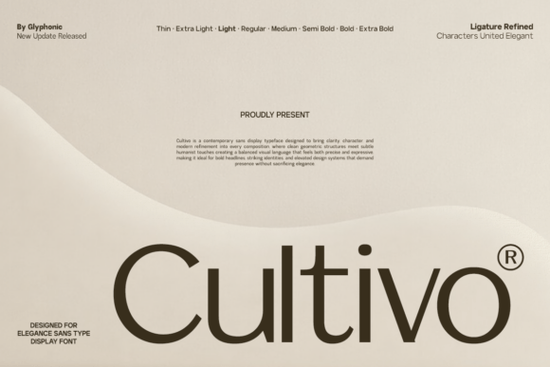
Finding the right typeface for a project often comes down to balancing clarity with personality. You need something that reads well but still carries a distinct vibe. The Cultivo Font is a strong contender for designers seeking this balance. It is a contemporary sans display typeface that manages to feel both geometric and human. This combination makes it useful for a wide range of creative work, from digital interfaces to print materials. If you are building a brand identity or working on editorial headers, this tool offers the precision needed without feeling too rigid.
What makes this typeface unique?
The core strength of this font lies in its structure. It bridges the gap between clean geometric shapes and subtle humanist touches. Many sans serif options lean too heavily into one side, becoming either too mechanical or too loose. This typeface maintains a balanced visual language. The character spacing is refined, which helps with readability across different sizes. It also includes elegant ligatures that add a layer of sophistication to your text. These details matter when you are trying to establish a professional grace in your work. You can read more about its specific features in our detailed review of the typeface.
Designers often look for versatility. You want a font that works for a tech startup logo but also fits a magazine cover. The unyielding clarity mentioned in its design description helps it perform well in high-contrast environments. Whether you are using it for large headlines or smaller interface text, the forms remain distinct. This reduces eye strain for the viewer and keeps the focus on your message.
Where does it work best?
This typeface shines in projects that demand a signature presence. It is an extraordinary choice for striking brand identities where you need to stand out without shouting. High-end tech interfaces benefit from its clean lines, ensuring that buttons and menus are easy to navigate. Editorial headers also look sharp when rendered in this style. The modern refinement it brings to every composition helps elevate the perceived value of the project. Small businesses and print-on-demand sellers can use it to create merchandise that looks polished and intentional.
For crafters and hobbyists, using a professional-grade font can make a significant difference in the final output. Whether you are designing invitations, posters, or digital assets, the quality of the typography reflects on your brand. This font provides that level of quality. It avoids the common pitfalls of free fonts that often lack proper kerning or special characters.
Are there similar options available?
While this typeface is distinct, you might want to explore other styles within the same category. If you are looking for something with a bit more casual flair, Salty Beach offers a different take on sans serif design. It might suit projects that need a lighter touch. For those who prefer a robust structure, Brisca is another solid option to consider. It provides strong visual weight which can be useful for heavy branding tasks.
Additionally, if you need something that leans towards classic editorial styles, Edition could be a good fit. Comparing these options helps you find the exact tone you need for your specific project. Each of these fonts has its own strengths, so testing them against your design mockups is recommended. You want to ensure the weight and spacing match your layout requirements before committing.
How should you pair it?
Pairing fonts is about creating contrast without causing conflict. Since this is a display sans serif, it works well with a simple serif body text. This combination creates a traditional yet modern look. Alternatively, you can pair it with a neutral sans serif for a clean, minimalist aesthetic. Avoid using it with another complex display font, as this can make the design feel cluttered. Keep the secondary font simple to let the primary typeface do the work.
Remember to check licensing terms before using any font in commercial projects. Most creative marketplaces offer clear guidelines on what is allowed. Ensuring you have the right license protects your business and respects the creator's work. This is especially important for print-on-demand sellers who distribute products globally.
Quick Checklist for Using Display Fonts
- Check Legibility: Ensure the font reads well at small sizes if used for body text.
- Verify Licensing: Confirm you have the right license for commercial use.
- Test Pairings: Try different combinations to see what creates the best contrast.
- Review Spacing: Adjust kerning and leading to optimize readability.
- Export Correctly: Save files in the right format for your final output (web or print).
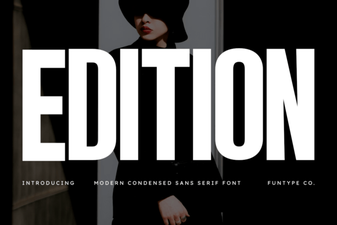 Font Collections: Your Creative Edition Toolkit
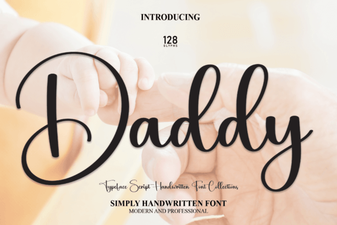 Crafting Typography with Daddy Font
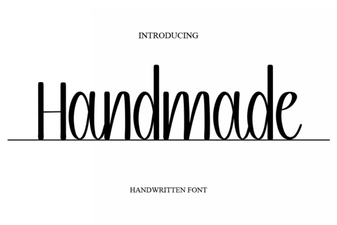 Designing with Unique Handmade Fonts
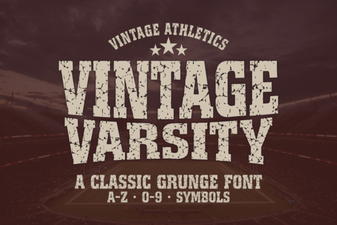 Vintage Varsity Fonts for Creative Projects
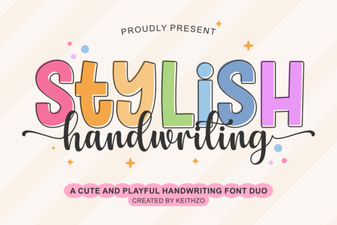 Elegant Script Fonts for Creative Projects
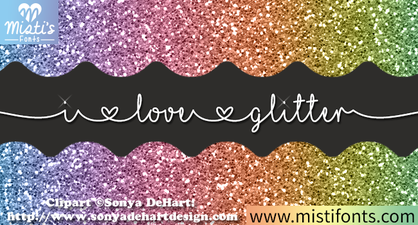 Glitter Fonts: a Creative Guide & Ideas